Bedwetting is a common childhood condition that affects many families across Australia. While it can feel frustrating or embarrassing for children, the good news is that effective, evidence-based solutions are available. One of the most recommended treatments by health professionals is a bedwetting alarm.
If you are searching for a bedwetting alarm in Australia, this guide will help you understand how these alarms work, why they are effective, and how to choose the right one for your child.
What Is a Bedwetting Alarm?
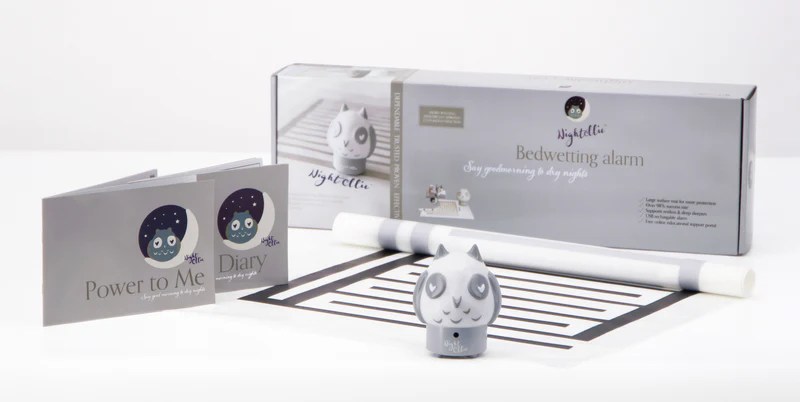
A bedwetting alarm is a small device designed to help children wake up when they start to urinate during sleep. It typically includes:
A moisture sensor attached to underwear or a pad
An alarm unit that emits sound, vibration, or both
A clip or wireless transmitter depending on the model
When the sensor detects moisture, the alarm activates immediately. This helps the child wake up and go to the bathroom before fully wetting the bed.
Over time, the brain learns to recognize the sensation of a full bladder and wake up before urination begins.
Why Bedwetting Alarms Are Recommended
Medical professionals in Australia and worldwide often recommend bedwetting alarms as the first-line treatment for children over the age of five who experience nighttime wetting.
Proven effectiveness
Research shows that bedwetting alarms have one of the highest long-term success rates compared to other treatments, including medication.
Non-invasive and drug-free
Unlike medications, alarms:
Do not have side effects
Do not rely on long-term prescriptions
Encourage natural bladder control
Builds independence and confidence
As children achieve dry nights, they often experience:
Increased self-esteem
Reduced anxiety around sleepovers or camps
Greater independence
How Bedwetting Alarms Work
Bedwetting alarms rely on conditioning therapy, also called enuresis alarm training.
The learning process
The child goes to sleep wearing the alarm sensor.
The sensor detects the first drops of urine.
The alarm sounds or vibrates.
The child wakes up and goes to the bathroom.
Over time, the brain learns to wake before the bladder empties.
This process usually takes 6 to 12 weeks for consistent results.
Types of Bedwetting Alarms Available in Australia
When searching for a bedwetting alarm in Australia, you will find two main categories.
1. Wearable (corded) alarms
These are the most traditional style.
Features:
Sensor clipped to underwear
Alarm unit attached to the pajama top
Connected by a thin wire
Pros:
Usually more affordable
Very sensitive to moisture
Lightweight and simple
Best for:
Younger children
Families wanting a budget-friendly option
2. Wireless bedwetting alarms
Wireless alarms use a transmitter and receiver system.
Features:
Sensor in underwear or pad
Wireless signal sent to alarm unit
No cord between child and alarm
Pros:
More comfortable movement during sleep
Less risk of tangling or pulling wires
Often include vibration and sound options
Best for:
Older children or active sleepers
Families seeking extra comfort and convenience
Key Features to Look for in a Bedwetting Alarm
When choosing the best bedwetting alarm in Australia, consider the following factors.
1. Comfort and fit
Lightweight sensor
Soft materials
Secure but gentle clips
2. Alarm types
Look for options such as:
Loud sound
Vibration
Combination of both
This helps suit different sleeping styles.
3. Ease of cleaning
Children may need to use the alarm nightly for several weeks. Choose:
Waterproof components
Easy-to-clean sensors
Replaceable pads or clips
4. Reliability and sensitivity
A good alarm should:
Detect the first drops of moisture
Activate quickly
Avoid false alarms
5. Australian availability and support
Buying from an Australian supplier often means:
Faster shipping
Local customer support
Compliance with Australian standards
How to Use a Bedwetting Alarm Successfully
The success of a bedwetting alarm depends on consistent use and family support.
Step-by-step routine
Have your child wear the alarm every night.
Attach the sensor properly before bedtime.
When the alarm sounds:
Wake the child fully.
Help them go to the toilet.
Change underwear if needed.
Reset the alarm and return to sleep.
Tips for better results
Use the alarm every night.
Stay patient during the first few weeks.
Encourage your child with praise, not punishment.
Track dry nights on a calendar.
Consistency is the most important factor in success.
How Long Does It Take to Work?
Every child is different, but typical progress looks like this:
Weeks 1–2
Alarm triggers frequently.
Parents may need to help wake the child.
Weeks 3–6
Child begins waking more easily.
Wet nights start to decrease.
Weeks 6–12
More dry nights than wet.
Child may wake before the alarm.
Many children achieve consistent dry nights within 8–12 weeks.
When to Start Using a Bedwetting Alarm
Most experts recommend alarms for children who:
Are 5 years or older
Wet the bed at least twice per week
Are motivated to become dry at night
If bedwetting continues beyond age seven, an alarm is often the preferred treatment.
When to See a Healthcare Professional
While bedwetting is common, you should consult a doctor if:
Bedwetting starts suddenly after months of dryness
The child has painful urination
There are signs of constipation or daytime accidents
Bedwetting continues into the teenage years
A healthcare professional can rule out medical causes and recommend appropriate treatment.
Common Mistakes to Avoid
1. Stopping too early
Many families stop after a few dry nights. For best results:
Continue until 14 consecutive dry nights.
2. Expecting instant results
Alarms require training. Improvement is gradual.
3. Letting the child sleep through the alarm
If the child does not wake:
Parents should assist them initially.
This helps build the wake-up response.
Benefits of Choosing a Bedwetting Alarm in Australia
Purchasing a bedwetting alarm locally offers several advantages:
Faster delivery times
Local warranties
Customer support in your time zone
Products designed for Australian families
Many Australian retailers also provide:
Instructional guides
Phone or email support
Replacement parts
Frequently Asked Questions
Are bedwetting alarms safe?
Yes. They are non-invasive, drug-free, and widely recommended by pediatric health professionals.
Do wireless alarms work as well as corded ones?
Both types are effective. The choice depends on comfort, budget, and your child’s sleeping habits.
Can teenagers use bedwetting alarms?
Yes. Alarms are effective for older children and teens who are motivated to become dry.
What if the alarm doesn’t work?
Most alarms require 6–12 weeks of consistent use. If there is no improvement after three months, consult a healthcare provider.
Final Thoughts: Choosing the Best Bedwetting Alarm in Australia
Bedwetting is a common developmental issue, and with the right approach, most children achieve dry nights. A quality bedwetting alarm in Australia offers a safe, effective, and long-term solution without medication.
By choosing a reliable alarm, using it consistently, and supporting your child through the process, you can help build confidence and independence—one dry night at a time.