Bedwetting is a normal part of development for many children, yet it can be frustrating and emotionally challenging for both kids and parents. While some children naturally outgrow nighttime accidents, others need structured support to develop bladder control during sleep.
A bedwetting alarm is widely considered the most effective long-term, non-medical solution. It helps train the brain and bladder to work together, leading to consistent dry nights.
This guide explains how bedwetting alarms work, why they are effective, and how a system like Nightollie can help your child succeed.
What Is a Bedwetting Alarm?
A bedwetting alarm is a device designed to detect the first signs of moisture and wake the child immediately. The goal is not just to stop a single accident, but to train the body to recognize bladder signals during sleep.
Over time, the child begins to wake up before wetting occurs, eventually achieving dry nights without the alarm.
How Bedwetting Alarms Train the Brain
Bedwetting alarms work through a simple behavioral learning process:
A sensor detects moisture as soon as wetting begins.
The alarm sounds, vibrates, or flashes.
The child wakes up and goes to the toilet.
The brain learns to recognize bladder signals earlier.
After repeated nights of this process, the brain starts waking the child before the bladder empties.
This is why alarms are often recommended by pediatricians as a first-line treatment for children over age five or six.
Why Do Children Wet the Bed?
Bedwetting is rarely caused by laziness or bad habits. Common reasons include:
Deep sleep patterns
Developing bladder capacity
Delayed production of the nighttime hormone that reduces urine
Family history of bedwetting
Stress, anxiety, or routine changes
Many children simply need time or the right training method.
Benefits of Using a Bedwetting Alarm
Long-Term Results
Unlike pull-ups or mattress protectors, alarms address the root cause by training the body.
Drug-Free Approach
No medication is required, making alarms a safe option for most families.
Builds Confidence
Dry nights help children feel more secure about sleepovers, camps, and school trips.
Encourages Independence
Children learn to wake themselves and manage nighttime bathroom trips.
The Nightollie Bedwetting Alarm System
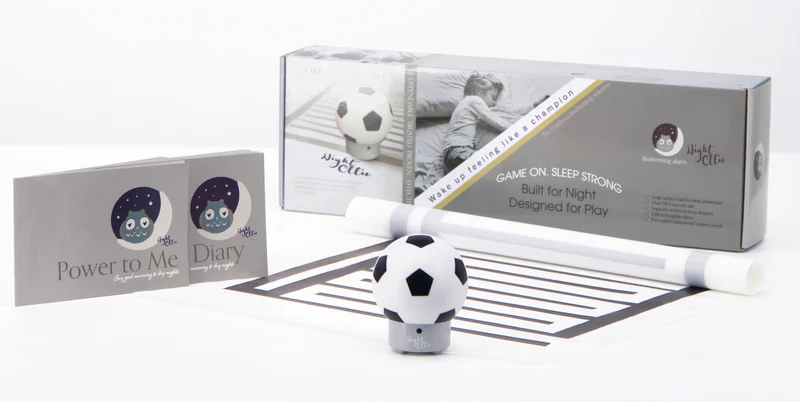
The Nightollie Bedwetting Alarm System is designed to support children and families through the entire training process, not just the alarm itself.
Key Features
Sensor Mat Detection A moisture-sensitive mat placed under the sleeper detects the first sign of wetness and activates the alarm immediately.
Multi-Sensory Alerts The system uses sound, vibration, and flashing lights to wake even deep sleepers.
Child-Friendly Owl Design The alarm is shaped like a friendly owl, helping it feel less medical and more comforting for children.
Structured Training Program A progress diary and reward-based system help reinforce positive habits and track improvement.
Suitable for Different Ages The system is designed for children, teens, and adults experiencing nighttime wetting.
How Long Does It Take to Work?
Most families see progress within a few weeks when the alarm is used consistently.
Typical timeline:
Week 1–2: Child adjusts to the alarm.
Week 3–4: Fewer accidents, more awareness.
Week 6–8: Many children achieve regular dry nights.
Consistency is the key factor in success.
Tips for Parents Starting a Bedwetting Alarm
1. Involve Your Child
Explain how the alarm works and why it helps.
2. Stay Consistent
Use the alarm every night until dry nights are stable.
3. Wake Fully
Make sure your child fully wakes up and walks to the bathroom.
4. Use Positive Reinforcement
Praise effort and progress, not just dry nights.
Who Is a Bedwetting Alarm Best For?
A bedwetting alarm is recommended for:
Children aged 6 and older
Deep sleepers who don’t wake to bladder signals
Families seeking a long-term solution
Teens or adults with nighttime wetting
When to Seek Medical Advice
Consult a healthcare provider if:
Bedwetting starts suddenly after months of dryness
There is pain or burning during urination
Daytime accidents are frequent
There are signs of infection or constipation
Final Thoughts
Bedwetting is common, and most children eventually grow out of it. However, a bedwetting alarm can speed up the process by teaching the body to respond to bladder signals during sleep.
With consistent use, encouragement, and a structured system like Nightollie, many children achieve dry nights within a matter of weeks. For families looking for a safe, proven, and drug-free solution, a bedwetting alarm remains one of the most effective options available.