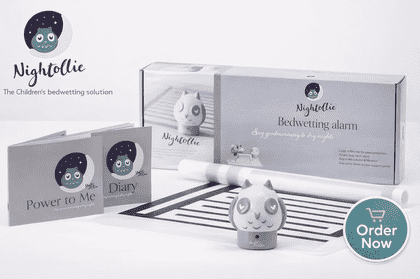
Bedwetting is a common part of childhood, but when it continues beyond the early years, it can become stressful for both children and parents. Nighttime accidents may affect sleep quality, self-esteem, and a child’s willingness to take part in activities like sleepovers or school camps. A bedwetting alarm is widely recognised as one of the most effective long-term solutions, and the Owl bedwetting alarm offers a calm, child-friendly way to support this learning process.
This blog explains how an Owl bedwetting alarm works, why alarms are recommended by health professionals, and how families can use them successfully.
Understanding Why Children Wet the Bed
Nighttime bedwetting, also called nocturnal enuresis, is usually developmental. Many children sleep very deeply and do not yet wake when their bladder is full. This does not mean a child is lazy or doing anything wrong.
Common factors include:
Deep sleep patterns
Delayed brain–bladder communication
Increased urine production at night
Family history of bedwetting
Because bedwetting is related to development, learning-based approaches are often the most effective and respectful solutions.
What Is a Bedwetting Alarm?
A bedwetting alarm is a device that detects moisture and alerts the child as soon as bedwetting begins. The alert may include sound, vibration, or both. This gentle interruption helps the child wake, stop urinating, and go to the toilet.
Over time, the alarm helps train the brain to recognise bladder signals during sleep. Eventually, many children begin waking before an accident happens, leading to consistent dry nights.
How the Owl Bedwetting Alarm Works
The Owl bedwetting alarm is designed to be simple and reassuring for children. Its purpose is not to scare or startle, but to support learning in a calm way.
The learning process typically follows these steps:
Moisture is detected at the earliest stage
The alarm activates with a gentle alert
The child wakes and goes to the bathroom
The brain strengthens nighttime bladder awareness
With consistent use, this repeated process helps build long-term bladder control during sleep.
Why Parents Choose an Owl Bedwetting Alarm
Parents often look for a solution that is effective while also protecting their child’s emotional wellbeing. An Owl bedwetting alarm is commonly chosen because it is:
Learning-based rather than a quick fix
Drug-free and non-invasive
Child-friendly in design
Suitable for long-term use
The focus is not only on dry nights, but also on helping children feel supported and confident.
What to Expect When Using a Bedwetting Alarm
Progress with a bedwetting alarm is gradual and different for every child.
Early Stage
In the first few weeks, alarms may sound often. Parents usually need to help wake the child fully and guide them to the toilet. Even if there are still wet nights, learning is already taking place.
Middle Stage
Many children begin waking more quickly when the alarm sounds. Wet nights become less frequent, and confidence often improves.
Later Stage
With continued consistency, many children achieve regular dry nights and no longer need the alarm.
Patience and encouragement play a key role throughout the process.
Supporting Your Child Emotionally
Bedwetting can be embarrassing for children, especially as they grow older. A calm and positive approach makes a big difference.
Helpful strategies include:
Reassuring your child that bedwetting is common
Avoiding blame or punishment
Praising effort rather than focusing only on results
Keeping bedtime routines relaxed
The Owl bedwetting alarm works best when paired with understanding and positive reinforcement.
Bedwetting Alarm vs Other Approaches
Some families try medication, waking schedules, or absorbent products. While these methods may reduce accidents temporarily, they do not teach the brain to wake in response to bladder signals.
A bedwetting alarm stands out because it:
Encourages natural learning
Supports long-term dryness
Reduces reliance on short-term solutions
This is why alarms are often recommended as a first-line option for persistent bedwetting.
Frequently Asked Questions
Does a bedwetting alarm really work? Yes. When used consistently, bedwetting alarms have one of the highest long-term success rates for treating nighttime bedwetting.
Is the Owl bedwetting alarm safe for children? Yes. It is non-invasive, drug-free, and safe for extended use.
How long does it take to see results? Some children improve within a few weeks, while others may take several months. Gradual progress is normal.
Final Thoughts
Bedwetting is a developmental challenge that many children experience, but it does not have to be managed with frustration or waiting alone. A bedwetting alarm, such as the Owl bedwetting alarm, offers a gentle and effective way to help children develop nighttime bladder control.
With consistency, patience, and emotional support, families can help their children wake dry, sleep better, and feel more confident over time.