Bedwetting is a common concern that affects many families. While it often occurs during childhood, teenagers and even adults can experience nighttime accidents. Managing this issue can sometimes feel frustrating, but modern solutions like bedwetting alarms offer an effective way to improve nighttime bladder control and support healthier sleep habits.
Unlike temporary methods that simply protect bedding, bedwetting alarms focus on helping the body learn when to wake up during sleep. With patience and consistent use, these devices can help individuals gradually achieve dry nights and build greater confidence.
Understanding Why Bedwetting Happens
Bedwetting, also known as nocturnal enuresis, occurs when a person urinates involuntarily during sleep. Several factors may contribute to this condition, including:
Deep sleeping patterns that make waking difficult
Delayed bladder development in children
Genetic influences
Hormonal changes affecting nighttime urine production
Emotional stress or changes in routine
Understanding these causes helps families choose solutions that focus on long-term improvement rather than short-term management.
How Bedwetting Alarm Systems Work
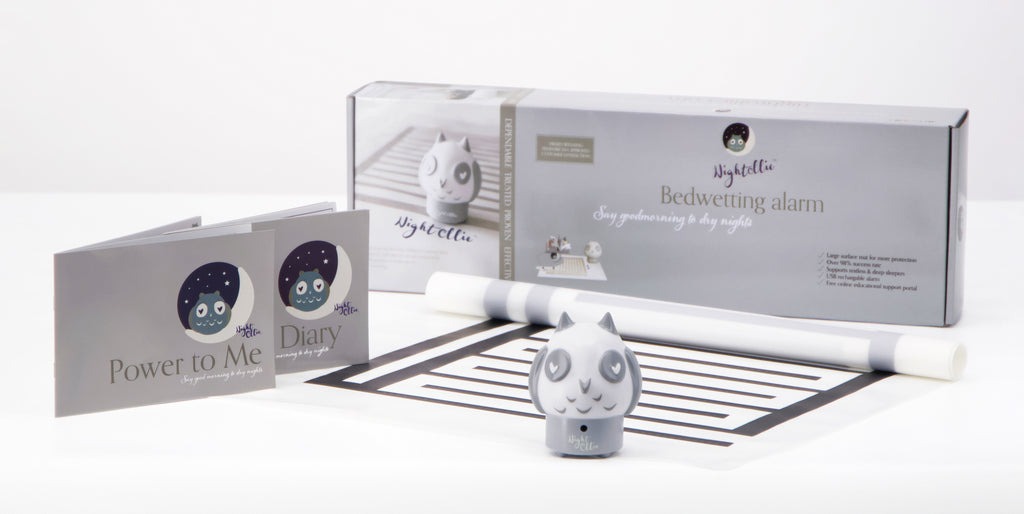
A bedwetting alarm system is designed to detect the first sign of moisture during sleep. The device typically includes a small sensor that attaches to clothing or bedding. When wetness is detected, the alarm immediately activates with sound or vibration.
This process helps train the body through a behavioural learning approach:
The moisture detection alarm senses wetness quickly.
The alarm wakes the sleeper.
The individual stops urination and goes to the bathroom.
Over time, the brain learns to recognize bladder signals earlier.
As training continues, many users begin waking before the alarm sounds, indicating improved bladder awareness.
Benefits of Using Bedwetting Alarms
Bedwetting alarms are widely recommended because they help address the root cause of nighttime accidents. Instead of masking the problem, they encourage natural bladder control development.
Some key advantages include:
Non-invasive and medication-free approach
Encourages natural bladder awareness
Helps build independence and confidence
Suitable for children, teenagers, and adults
Supports long-term improvement in nighttime habits
Modern bedwetting treatment devices also feature improved sensors and comfortable wearable designs that make nightly use easier.
Features to Look for in a Bedwetting Alarm
Choosing the right device can make the training process more effective.
Sensitive Sensors
A responsive moisture detection alarm ensures the device activates quickly when wetness begins.
Adjustable Alert Options
Sound and vibration alerts help wake both light and deep sleepers.
Comfortable Wearable Design
Lightweight alarms allow users to sleep comfortably while the sensor monitors for moisture.
Easy Operation
Simple setup encourages consistent nightly use, which is essential for successful training.
These features help ensure the alarm works effectively as a nighttime bladder control solution.
Who Can Benefit from Bedwetting Alarm Therapy
Bedwetting alarms can support individuals of different ages who experience nighttime bladder control challenges.
Children
Children often benefit the most from alarm therapy because it helps them develop bladder awareness while sleeping.
Teenagers
Teenagers dealing with bedwetting may feel embarrassed or anxious. Alarm therapy can help reduce accidents and restore confidence.
Adults
Adults experiencing occasional nighttime bladder issues may also use bedwetting alarms as part of a bedwetting therapy solution.
With consistent use, many people begin seeing improvement within a few weeks.
Tips for Successful Bedwetting Alarm Training
Using the alarm consistently is important for achieving the best results. Families often find success by combining the alarm with supportive bedtime habits.
Helpful tips include:
Encourage a bathroom visit before sleep
Use the alarm every night
Wake fully when the alarm activates
Maintain a regular bedtime routine
Celebrate progress and dry nights
Tracking improvements can help motivate children and reassure parents during the training process.
Emotional Benefits of Addressing Bedwetting
Bedwetting can sometimes affect a person's confidence and emotional wellbeing. Addressing the issue early can create a more positive bedtime experience.
Some emotional benefits include:
Increased self-confidence
Better sleep quality
Reduced stress and embarrassment
Improved daily focus and energy
Greater independence for children
Solving bedwetting can have a positive impact on both physical health and emotional comfort.
Modern Bedwetting Alarm Solutions
Advancements in sleep health technology have improved the effectiveness of bedwetting alarms. Modern devices now feature faster sensors, stronger alerts, and comfortable wearable designs that support regular use.
Companies such as Nightollie focus on developing reliable alarm systems that help families manage bedwetting challenges and encourage healthy sleep habits.
Frequently Asked Questions
How long does it take for bedwetting alarms to show results?
Many users begin seeing improvement within four to twelve weeks with regular use.
Are bedwetting alarms safe for children?
Yes, they are considered safe and non-invasive for children aged five and older.
Can teenagers use bedwetting alarms?
Yes, alarm therapy works well for teenagers experiencing nighttime bedwetting.
Do bedwetting alarms provide long-term results?
Because they train the body to respond to bladder signals during sleep, they often lead to lasting improvement.
Conclusion
Bedwetting alarms provide a practical and effective solution for managing nighttime accidents. By using responsive bedwetting alarm systems, reliable moisture detection alarms, and modern bedwetting treatment devices, individuals can gradually improve bladder awareness and develop healthier sleep habits.
With patience, consistent use, and supportive routines, bedwetting alarms can help create dry nights, improved confidence, and better sleep for people of all ages.