
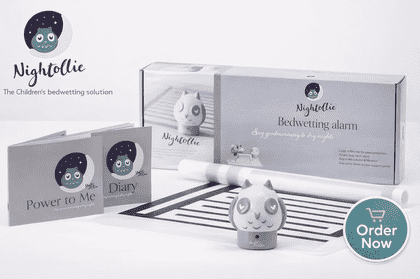
Bedwetting is a common stage in childhood development, but it can sometimes create stress for both children and parents. Interrupted sleep, extra laundry, and reduced confidence are some of the challenges families may face. Today, many households are turning to a wireless bedwetting alarm as a modern and convenient way to help children develop better nighttime bladder awareness.
Unlike traditional solutions that simply manage the result of bedwetting, wireless alarm systems focus on training the body to respond to bladder signals during sleep. With consistent use, these devices can gradually help reduce nighttime accidents and encourage more confident sleep routines.
Why Bedwetting Happens During Sleep
Bedwetting, also known as nocturnal enuresis, occurs when the bladder releases urine while the person is asleep. This usually happens before the brain signals the body to wake up.
Some children are deep sleepers and may not notice the sensation of a full bladder. Others may still be developing bladder capacity or nighttime hormone regulation that controls urine production. Family history can also play a role, making bedwetting more common in some households.
Because the causes vary, many families explore bedwetting alarm systems as a practical way to encourage gradual improvement rather than relying on temporary solutions.
What Makes a Wireless Bedwetting Alarm Different
A wireless bedwetting alarm is designed with modern technology that allows the sensor and alert unit to communicate without physical wires. This improves comfort and flexibility while sleeping.
The device typically includes a small moisture sensor placed in underwear or bedding. When the moisture detection alarm senses wetness, it sends a signal to the alarm unit, which produces a sound or vibration.
This instant alert wakes the sleeper so they can go to the bathroom and complete the process. Over time, the body begins to recognize bladder signals earlier, leading to fewer nighttime accidents.
Benefits of Using a Wireless Bedwetting Alarm
Wireless alarms provide several advantages compared with older alarm designs. Their lightweight structure and flexible setup make them easier for children to use comfortably throughout the night.
One key benefit is improved comfort. Without wires attached to the sensor, children can move freely during sleep without feeling restricted.
Another advantage is faster response. Sensitive sensors and reliable wireless signals ensure the alarm activates quickly when wetness begins.
Wireless devices also help support consistent training. With regular use, these enuresis alarm devices can help strengthen the connection between the brain and bladder during sleep.
Features to Look for in a Wireless Bedwetting Alarm
Choosing the right device can make the nighttime training process easier and more effective. Several features are important when selecting a wireless alarm.
A responsive moisture sensor alarm ensures wetness is detected immediately. Comfortable sensors allow children to sleep naturally while wearing the device.
Many alarms include vibration alerts in addition to sound, which can be helpful for deep sleepers. Some devices also offer adjustable volume levels and simple setup to make everyday use easier.
These features help create a reliable nighttime bladder control solution that fits smoothly into family routines.
Tips for Successful Bedwetting Alarm Training
Consistency is one of the most important factors when using a bedwetting alarm. Establishing supportive bedtime habits can improve results.
Children should use the bathroom before going to bed and maintain a regular sleep schedule. When the alarm sounds, the sleeper should wake up fully and walk to the bathroom.
Parents can also encourage progress by celebrating improvements and dry nights. Positive reinforcement helps children stay motivated throughout the training process.
Although results vary, many families begin seeing progress within several weeks of consistent use.
Supporting Confidence and Better Sleep
Bedwetting can sometimes affect a child’s confidence, particularly if they feel embarrassed about nighttime accidents. Addressing the issue with a supportive solution can make a big difference.
Using a wireless bedwetting alarm allows children to actively participate in improving their nighttime habits. As dry nights become more common, bedtime routines often become calmer and more comfortable for everyone.
Parents also benefit from fewer nighttime disruptions and better sleep overall.
Conclusion
A wireless bedwetting alarm offers a modern and convenient way to manage nighttime bedwetting while supporting long-term improvement. By combining bedwetting alarm systems, sensitive moisture detection alarms, and consistent bedtime routines, families can help children build stronger bladder awareness during sleep.
With patience and regular use, this training method can lead to fewer nighttime accidents, improved confidence, and more restful nights for the whole family.
FAQ
1. What is a wireless bedwetting alarm?
A wireless bedwetting alarm is a device that detects the first sign of moisture and sends a signal to an alarm unit that alerts the sleeper through sound or vibration.
2. Are wireless bedwetting alarms comfortable for children?
Yes. Because the sensor communicates wirelessly with the alarm unit, there are no connecting wires, making the device more comfortable to wear during sleep.
3. How long does it take for a bedwetting alarm to work?
Most families notice improvement within four to eight weeks of consistent use.
4. Can deep sleepers use wireless bedwetting alarms?
Many wireless alarms include strong sound and vibration alerts that help wake deep sleepers effectively.
5. Do wireless bedwetting alarms provide long-term improvement?
Yes. These devices train the brain to respond to bladder signals earlier, helping many users achieve more consistent dry nights.