Bedwetting is a challenge many families experience while children are growing and developing healthy sleep habits. Although it is common, frequent nighttime accidents can disrupt sleep routines and sometimes affect a child’s confidence. Parents searching for practical solutions often consider bed wetting alarms Australia as a reliable way to encourage better nighttime bladder control.
These devices are designed to detect the first sign of moisture and alert the sleeper immediately. With consistent use, they help train the brain to respond to bladder signals during sleep, gradually leading to more dry nights and improved sleep patterns.
Why Bedwetting Happens at Night
Bedwetting, also known as nocturnal enuresis, occurs when the bladder releases urine during sleep before the body wakes up. Several factors can contribute to this condition.
Some children sleep deeply and may not notice the sensation of a full bladder. Others may still be developing bladder capacity or nighttime hormone balance that regulates urine production. Genetics can also influence bedwetting, meaning it may run in families.
Because these factors differ from one child to another, many parents choose bed wetting alarms Australia as a training approach that helps the body learn to respond naturally during sleep.
How Bed Wetting Alarms Australia Work
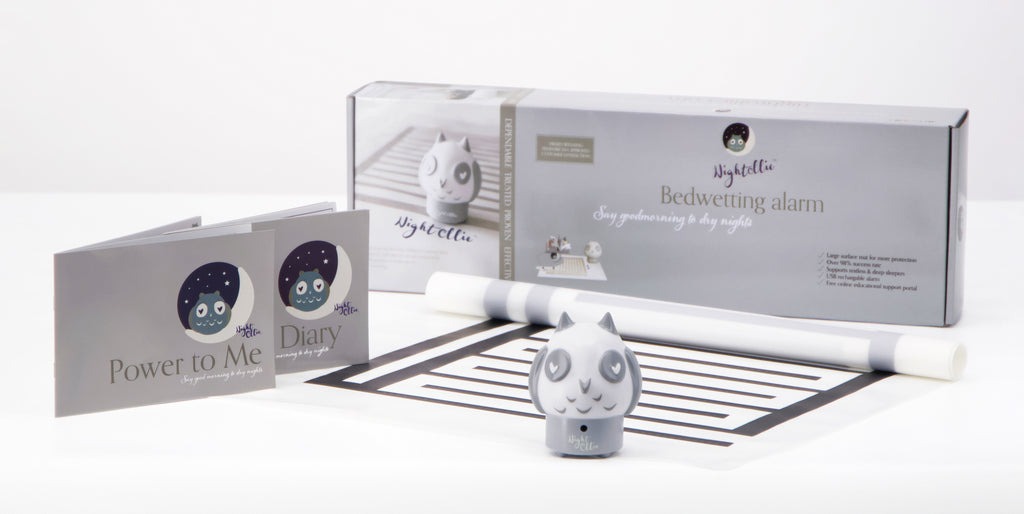
A bedwetting alarm typically includes a small sensor that detects moisture and an alert system that wakes the sleeper. The sensor is usually attached to underwear or placed on bedding.
When the moisture detection alarm detects wetness, it activates a sound or vibration. This alert wakes the sleeper so they can go to the bathroom and complete the process.
Over time, the brain begins to recognize bladder signals earlier. Eventually, many children start waking before the alarm sounds, showing that bladder awareness during sleep has improved.
Because of this training effect, bedwetting alarm systems are often recommended as an effective solution for long-term improvement.
Benefits of Using Bed Wetting Alarms Australia
Many families prefer bedwetting alarms because they address the underlying issue rather than simply managing the result.
One of the main benefits is improved communication between the brain and bladder during sleep. This helps children become more aware of when their bladder is full.
Another advantage is increased confidence. As dry nights become more common, children often feel more comfortable and relaxed about bedtime.
In addition, enuresis alarm devices provide a non-invasive solution that does not require medication. This makes them a natural and supportive training method for families.
Features to Look for in Bedwetting Alarms
Modern bedwetting alarms are designed with comfort and reliability in mind. Choosing the right device can help make nighttime training easier.
A sensitive moisture sensor alarm ensures that the device detects wetness quickly so the sleeper can wake up immediately. Lightweight sensors help children sleep comfortably without feeling restricted.
Some alarms include vibration alerts along with sound, which can be helpful for deep sleepers. Easy setup and durable design also make these devices convenient for everyday use.
These features allow families to maintain a consistent bedtime routine while supporting effective training.
Tips for Successful Bedwetting Alarm Training
Consistency is the key to success when using bedwetting alarms. Families can improve results by combining the alarm with supportive habits.
Children should visit the bathroom before bedtime and follow a regular sleep schedule. When the alarm sounds, it is important for the sleeper to wake fully and walk to the bathroom.
Encouragement also plays an important role. Celebrating progress and dry nights helps children stay motivated throughout the training process.
Although improvements may take several weeks, gradual progress is a good sign that the body is learning to recognize bladder signals more effectively.
Supporting Confidence and Better Sleep
Bedwetting can sometimes cause embarrassment or frustration, especially as children grow older. Addressing the issue with a structured solution helps create a more positive bedtime environment.
Using bed wetting alarms Australia allows children to participate actively in improving their sleep habits. As dry nights become more frequent, bedtime routines often become calmer and more comfortable for the whole family.
Parents also benefit from fewer nighttime disruptions and improved overall sleep quality.
Conclusion
Bedwetting is a temporary stage for many children, but the right tools can help make the transition to dry nights smoother. Bed wetting alarms Australia provide a practical training method that teaches the body to respond to bladder signals during sleep.
By combining bedwetting alarm systems, supportive bedtime routines, and patience, families can encourage gradual improvement. Over time, this approach can lead to better sleep habits, increased confidence, and more restful nights for both children and parents.
FAQ
1. How do bed wetting alarms Australia work?
They use a moisture sensor that detects wetness and activates an alert to wake the sleeper so they can go to the bathroom.
2. How long does it take to see results?
Most families begin seeing improvement within four to eight weeks of consistent use.
3. Are bedwetting alarms safe for children?
Yes, they are non-invasive devices designed to help develop natural bladder awareness during sleep.
4. Can deep sleepers use bedwetting alarms?
Yes. Many devices include strong sound and vibration alerts that help wake deep sleepers.
5. Do bedwetting alarms provide long-term improvement?
Yes. Because they train the body to respond to bladder signals, many users experience lasting improvement in nighttime bladder control.