Bedwetting is a common challenge many families face, especially when children are learning nighttime bladder control. While it can be frustrating for parents and embarrassing for kids, it is often a temporary phase that improves with the right support and tools. One of the most recommended solutions by sleep specialists and pediatric experts is using a bedwetting alarm Australia families can rely on for consistent nighttime training.
A bedwetting alarm works by helping children recognize bladder signals during sleep. With regular use and patience, many children learn to wake up before an accident occurs. This guide explains how bedwetting alarms work, why they are effective, and how Australian families can use them to support healthier nighttime habits.
Understanding Why Bedwetting Happens
Bedwetting, also called nocturnal enuresis, affects many children even after they are fully toilet trained during the day. In Australia, it is estimated that a significant number of school-aged children occasionally experience nighttime accidents.
Some common reasons include:
- Deep sleeping patterns that prevent waking when the bladder is full
- A developing bladder that cannot hold urine throughout the night
- Delayed communication between the brain and bladder
- Stress, routine changes, or sleep disruptions
For many families, the goal is to find a gentle method that supports children without making them feel embarrassed or pressured. This is where a bedwetting alarm system can be extremely helpful.
How a Bedwetting Alarm Helps Train the Brain
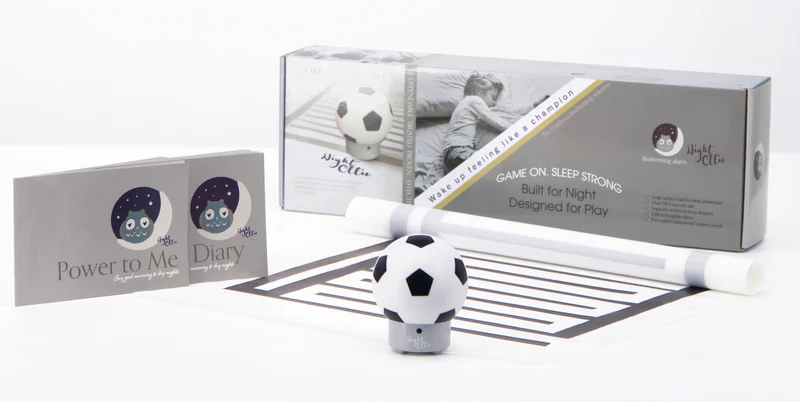
A bedwetting alarm Australia parents use typically includes a moisture sensor and a small alarm unit. The sensor detects the first sign of wetness and triggers a sound or vibration alert.
The process works like this:
- The child goes to sleep as usual.
- If wetness begins, the moisture sensor detects it immediately.
- The alarm activates to wake the child.
- The child wakes up and goes to the bathroom.
Over time, the brain starts to recognize bladder pressure before an accident happens. This method is called nighttime bladder training, and it gradually helps children develop stronger awareness of their body’s signals.
Why Many Australian Families Choose Bedwetting Alarms
Parents often prefer a wireless bedwetting alarm because it provides a structured and practical approach to solving nighttime accidents. Instead of relying on temporary solutions, alarm systems encourage long-term improvement.
Some benefits include:
- Encourages independence and confidence in children
- Helps create a consistent bedtime routine
- Supports natural bladder awareness development
- Reduces stress for parents managing nighttime accidents
Unlike medications or short-term fixes, bedwetting alarms focus on behavioral learning. This approach helps children build lifelong habits that improve their sleep routines.
Choosing the Right Bedwetting Alarm in Australia
If you are considering a bedwetting alarm Australia families trust, there are several factors to consider before choosing the right system.
Comfort and Design
Look for alarms designed for overnight comfort. Children sleep better when devices are lightweight and simple to use.
Sensor Sensitivity
A reliable moisture sensor alarm should detect wetness quickly so the child wakes up early in the process.
Ease of Setup
Parents often prefer systems that are easy to install and maintain without complicated instructions.
Wireless Convenience
A wireless bedwetting alarm eliminates tangled cords and provides greater comfort for active sleepers.
Choosing the right device helps ensure consistent use, which is important for achieving results.
Tips for Using a Bedwetting Alarm Successfully
While a bedwetting alarm system can be very effective, consistency plays a major role in success. Families can improve results by following a few simple tips.
Maintain a Regular Bedtime Routine
Children respond well to predictable routines. A consistent bedtime helps regulate sleep patterns.
Encourage Bathroom Visits Before Bed
Make sure your child uses the bathroom just before going to sleep.
Stay Supportive and Positive
Avoid punishment or frustration. Positive encouragement helps children stay motivated.
Track Progress
Many families keep a sleep diary to record dry nights and improvements over time.
Be Patient
Most children show improvement within several weeks, but every child learns at their own pace.
With encouragement and routine, the alarm becomes part of a supportive nighttime training process.
Supporting Children Emotionally During Bedwetting Training
Bedwetting can sometimes affect a child’s confidence, especially if they worry about sleepovers or school trips. Parents can help by reassuring children that bedwetting is common and temporary.
Simple steps include:
- Talking openly about nighttime accidents
- Celebrating small improvements
- Creating a relaxed bedtime environment
When children feel supported, they are more likely to stay committed to the training process.
Frequently Asked Questions
1. At what age should a child use a bedwetting alarm?
Most experts recommend starting a bedwetting alarm system for children aged 6 or older who continue to experience nighttime bedwetting.
2. How long does it take for a bedwetting alarm to work?
Many families notice improvement within 4–8 weeks when the alarm is used consistently as part of a bedtime routine.
3. Are bedwetting alarms safe for children?
Yes. A moisture sensor alarm is a safe and non-invasive solution designed to help children develop nighttime bladder awareness.
4. Do wireless bedwetting alarms work better?
A wireless bedwetting alarm is often preferred because it is comfortable, easy to use, and reduces movement restrictions during sleep.
5. Should parents wake the child when the alarm goes off?
Yes, especially in the early stages. Parents can help the child wake up and guide them to the bathroom until the child learns to respond independently.
Conclusion
Bedwetting is a normal stage in childhood development, but it can still be challenging for families trying to manage nighttime accidents. A bedwetting alarm Australia parents trust provides a gentle and effective way to teach children bladder awareness during sleep.
By using a bedwetting alarm system consistently and maintaining supportive routines, many children gradually achieve dry nights and improved sleep habits. Patience, encouragement, and the right tools can make a meaningful difference, helping children gain confidence while creating calmer nights for the entire family.