
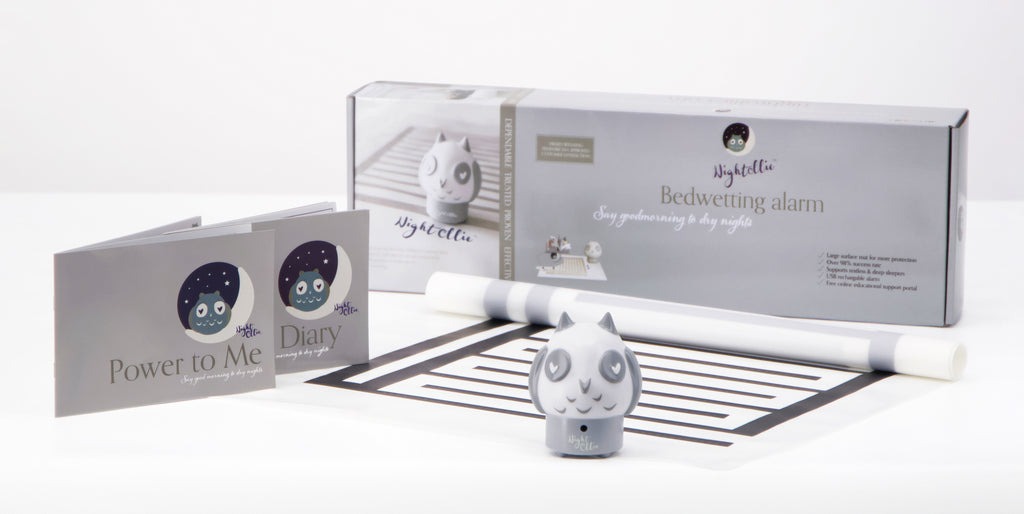
Nighttime bedwetting is more common than many parents expect, yet it can feel frustrating when it continues for months or even years. While most children eventually outgrow it, many families today are looking for faster, reliable, and stress-free solutions. That’s where bedwetting alarms have become one of the most trusted and recommended tools in 2026.
Designed to support natural learning, bedwetting alarms help children develop bladder awareness during sleep—leading to long-term improvement instead of temporary fixes.
Why Bedwetting Happens (And Why It’s Normal)
Bedwetting, medically known as nocturnal enuresis, is a developmental phase rather than a behavioral issue. It often happens because the brain and bladder are still learning to communicate during sleep.
Common causes include:
- Deep sleep that prevents waking
- A developing bladder that cannot hold urine all night
- Delayed brain-bladder signaling
- Hormonal patterns affecting urine production
- Stress or lifestyle changes
Understanding this helps parents shift from frustration to solution-focused support—especially with tools like a bedwetting alarm system.
How Bedwetting Alarms Train the Brain
A bedwetting alarm works by detecting the first sign of moisture and alerting the child instantly. It usually includes a moisture sensor alarm and a small alert unit.
Here’s the process:
- The child goes to sleep normally
- The sensor detects even slight wetness
- The alarm triggers sound or vibration
- The child wakes and goes to the bathroom
This repeated process is called nighttime bladder training. Over time, the brain learns to recognize bladder signals earlier—eventually waking the child before an accident occurs.
This is why bedwetting alarms are considered one of the most effective long-term solutions.
Why Bedwetting Alarms Are Trending in 2026
Parents today are moving toward solutions that are safe, natural, and proven. A wireless bedwetting alarm is now one of the most popular choices due to its comfort and convenience.
1. Focus on Long-Term Results
A bedwetting alarm system addresses the root cause instead of masking symptoms.
2. Improved Comfort with Wireless Design
A wireless bedwetting alarm allows children to move freely during sleep without discomfort.
3. Encourages Independence
Children learn to wake themselves, building confidence and self-reliance.
4. Backed by Real Results
Many families report noticeable improvement within 4–8 weeks of consistent use.
These factors make bedwetting alarms one of the top-recommended solutions for modern families.
Key Features to Look for in Bedwetting Alarms
Choosing the right alarm can significantly improve results and user experience.
Fast Moisture Detection
A high-quality moisture sensor alarm should respond quickly to even small amounts of wetness.
Comfortable and Lightweight Design
Children are more likely to use the device consistently if it feels comfortable.
Wireless Technology
A wireless bedwetting alarm enhances convenience and improves sleep quality.
Easy Setup
Simple installation ensures parents can maintain consistent use without hassle.
When these features come together, they create a smooth and effective training process.
Proven Strategies to Get Faster Results
Even the best bedwetting alarms work better when combined with supportive habits.
Maintain a Consistent Bedtime
A regular sleep schedule improves response to the alarm.
Encourage Bathroom Use Before Sleep
This reduces early-night accidents.
Stay Positive and Supportive
Encouragement helps children stay motivated.
Track Progress
Keeping a record of dry nights builds confidence.
Be Patient
Every child learns at their own pace, but consistency leads to success.
Most families begin to see improvements within a few weeks of regular use.
Common Mistakes to Avoid
To get the best results from a bedwetting alarm system, avoid these common mistakes:
- Using the alarm inconsistently
- Stopping too early after initial success
- Expecting instant results
- Reacting negatively to accidents
Consistency and encouragement are the keys to successful nighttime bladder training.
Supporting Your Child’s Confidence
Bedwetting can sometimes affect a child’s confidence, especially if it happens frequently. Parents play a crucial role in maintaining a positive environment.
Helpful strategies include:
- Reassuring children that bedwetting is common
- Avoiding blame or punishment
- Celebrating small improvements
- Keeping communication open and supportive
When children feel encouraged, they are more likely to stay engaged in the process.
Frequently Asked Questions
1. What age is best to use bedwetting alarms?
Most experts recommend using a bedwetting alarm system for children aged 6 years or older.
2. How long does it take to see results?
Many children show improvement within 4–8 weeks with consistent use.
3. Are wireless bedwetting alarms better?
A wireless bedwetting alarm is often more comfortable and easier for children to use.
4. Do bedwetting alarms provide permanent results?
A moisture sensor alarm helps train the brain, leading to long-term improvement.
5. Should parents wake the child when the alarm sounds?
Yes, especially in the early stages, until the child learns to wake independently.
Conclusion
Bedwetting is a normal stage of development, but it doesn’t have to be a long-term challenge. Bedwetting alarms offer a science-backed, practical solution that helps children develop bladder awareness during sleep.
With consistent use of a bedwetting alarm system, along with tools like a moisture sensor alarm and wireless bedwetting alarm, many children gradually achieve dry nights. Over time, this leads to improved confidence, better sleep routines, and a more peaceful bedtime experience for the entire family.
In 2026, bedwetting alarms continue to stand out as one of the most effective and parent-approved solutions for nighttime training—delivering real results where it matters most.